LATEST ARTICLES

Privacy Policy

0

Privacy Policy for Our Facebook Pages

Effective Date: March 6, 2025

Introduction Welcome to the official Facebook pages of Go Abroad (Europe & Bangladesh) and Xpatnest (Nepal). We value your privacy and are committed to protecting your personal data. This Privacy Policy outlines how we collect, use, store, and protect your information in compliance with the General Data Protection Regulation (GDPR), Nepalese privacy laws, and Bangladeshi data protection regulations.


1. Information We Collect

When you interact with our Facebook pages, we may collect the following types of information:

  • Personal Data: Name, profile information, contact details (if shared via messages or forms).
  • Public Information: Comments, reactions, and shares on our posts.
  • Technical Data: Information about your device, IP address, and engagement with our content (collected via Facebook analytics tools).

2. How We Use Your Information

We use your data for the following purposes:

  • To respond to your inquiries and messages.
  • To improve our services and content based on audience engagement.
  • To communicate promotions, job opportunities, and updates.
  • To ensure compliance with local regulations and Facebook’s policies.

3. Data Sharing & Third-Party Services

  • Your information may be shared with Facebook as per their data policy.
  • We do not sell or rent your personal data to third parties.
  • We may share necessary data with service providers (such as marketing or advertising agencies) strictly for business-related purposes.

4. Data Retention

We retain your data only for as long as necessary to fulfill the intended purpose or as required by law. If you wish to have your data deleted, please contact us.


5. Your Rights & Choices

Depending on your location, you may have the following rights:

  • GDPR (Europe): Right to access, rectify, delete, or restrict processing of your data.
  • Nepal & Bangladesh: Right to request access to your information and withdraw consent where applicable.
  • To exercise any rights, message us directly on Facebook.

6. Data Security

We implement appropriate security measures to protect your data from unauthorized access, disclosure, or loss. However, as Facebook is a third-party platform, we advise users to review Facebook’s Privacy Policy as well.


7. Updates to This Privacy Policy

We may update this policy periodically. Any changes will be posted on our Facebook pages.


8. Contact Us

For any questions or privacy-related concerns, please contact us via our respective Facebook pages:

Thank you for engaging with us. Your privacy is our priority.

“Our top priority is delivering exceptional service to our clients, ensuring their satisfaction and success.” Faijul Hoque Oyon.

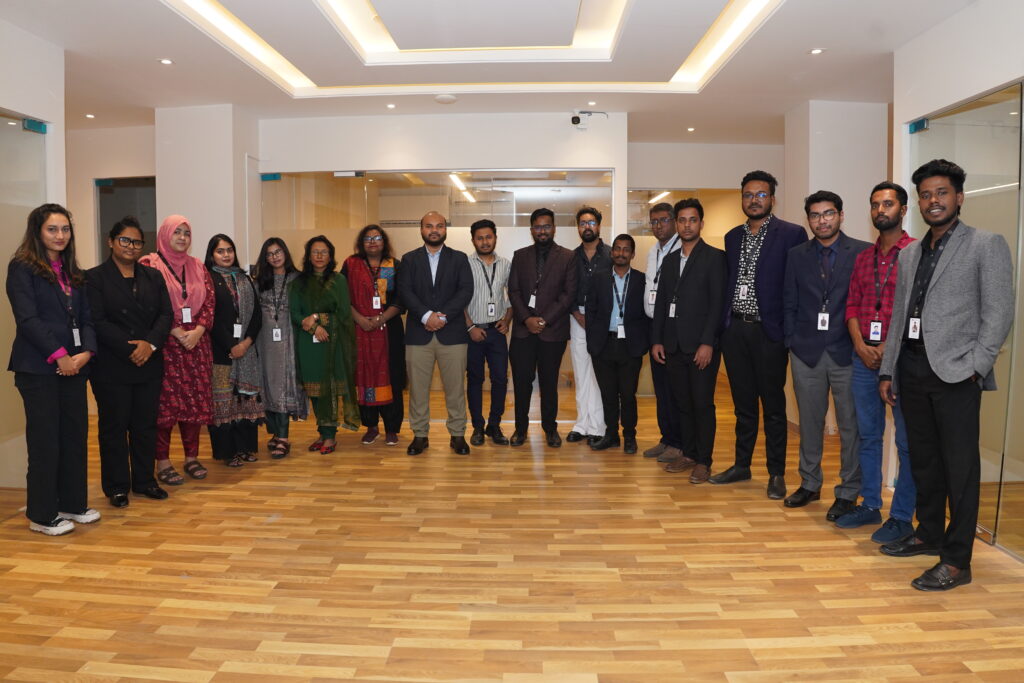
The diverse team collaborates seamlessly, working together to make our service truly exceptional in Bangladesh.

The entire team of Go Abroad Private Limited.

We, at Go Abroad Consultancy, are a dedicated and professional team committed to providing exceptional service. With our extensive expertise, attention to detail, and unwavering support, we strive to be valuable partners to our clients. We work tirelessly to ensure the success of those we assist, offering tailored solutions and expert guidance at every step of the process. With a strong focus on collaboration and customer satisfaction, we are passionate about helping students and clients achieve their dreams of studying abroad.”

This conveys a sense of teamwork and commitment in a positive and professional tone. Let me know if you’d like any further adjustments!

Why Bangladeshi Students Should Study Science in France for a Bright Future

For Bangladeshi students looking for a top-tier education in Science, France is a destination that offers world-class universities, strong job prospects in IT and aeronautics, and exciting PhD opportunities. With affordable tuition, generous scholarships, and a thriving research ecosystem, France is a prime choice for students who dream of building a successful career in Europe. Here’s why you should consider studying Science in France.

1. France’s Top-Tier Science & Engineering Universities

France is home to some of the most prestigious institutions in the world, consistently ranked among the best for Science, Engineering, and Technology:
  • Sorbonne University (Ranked among the top 50 in the world for Natural Sciences and Mathematics)
  • École Polytechnique (Highly regarded for Physics, Computer Science, and Aerospace Engineering)
  • Université Paris-Saclay (One of Europe’s leading universities for Artificial Intelligence and Data Science)
  • CentraleSupélec (Famous for Engineering and Research in Automation, AI, and Telecommunications)
  • INSA Lyon (A top university for Industrial Engineering, Mechanical Engineering, and IT)
A degree from one of these institutions significantly increases your chances of landing a high-paying job in Europe and beyond. Monochrome photograph of the Eiffel Tower viewed from below on a cloudy day.

2. Job Opportunities in IT & Aeronautics

France is a global hub for industries that are rapidly growing and seeking skilled professionals, especially in IT and aeronautics.

IT Sector: A Booming Job Market

With the rise of Artificial Intelligence, Big Data, and Cloud Computing, France is investing heavily in IT. The country has major tech clusters in cities like Paris, Lyon, and Toulouse. Companies that frequently hire international graduates include:
  • Capgemini (IT consulting and digital transformation)
  • Dassault Systèmes (Software and simulation technology)
  • Atos (Cloud and cybersecurity services)
  • Thales (Cybersecurity, AI, and defense technology)

Aeronautics: Work with Global Leaders

France is a world leader in aeronautics, with major companies offering exciting career opportunities:
  • Airbus (One of the largest aerospace manufacturers in the world, with major operations in Toulouse)
  • Safran (A global supplier of aircraft engines and defense systems)
  • Thales Aerospace (Developing cutting-edge aviation technology)
Graduates from Science and Engineering programs in France are in high demand, making it easier to transition from study to full-time employment.

3. Strong PhD & Research Opportunities

France has a rich research culture, and universities offer extensive PhD opportunities in STEM fields, often with full funding and stipends. Research institutes like:
  • CNRS (National Center for Scientific Research)
  • CEA (French Alternative Energies and Atomic Energy Commission)
  • INRIA (National Institute for Research in Computer Science and Automation)
provide significant support for international PhD students in AI, Quantum Computing, Aerospace, and Bioengineering.

4. The Advantage of Learning French in the Global Job Market

French is spoken in over 30 countries and is an official language in many international organizations like the United Nations, European Union, and UNESCO. Learning French not only opens doors to job markets in France but also in Canada, Switzerland, Belgium, and parts of Africa. Many French companies have international operations, and being bilingual in English and French can give you an edge in global trade, diplomacy, technology, and finance.

5. Affordable Education & Scholarships

France offers low tuition fees compared to the US or UK, and international students benefit from several funding options:
  • Eiffel Excellence Scholarship (Covers tuition, living costs, and international travel)
  • Campus France Scholarships (Supports students from Bangladesh and other non-EU countries)
  • University-specific scholarships (Offered by top universities for Masters and PhD programs)

6. Pathway to Permanent Residency & Citizenship

France makes it easier for international graduates to stay and work after completing their degrees:
  • 2-Year Post-Graduation Visa: Allows graduates to search for jobs and gain work experience.
  • Work Permit & Blue Card: After securing a full-time job, students can apply for a long-term work permit.
  • Permanent Residency & Citizenship: After working for a few years, graduates can apply for permanent residency or even French citizenship.

Final Thoughts: Should You Choose France?

If you’re a Bangladeshi student passionate about Science, IT, or Aerospace, France offers everything you need for a successful career: top universities, high-paying job opportunities, cutting-edge research, and a clear path to residency.

Why Scandinavian Countries Are a Great Choice for Bangladeshi Students

Are you a Bangladeshi student dreaming of studying abroad? If you’re looking for a destination that offers world-class education, affordable tuition, and excellent career opportunities, then Scandinavia—comprising Denmark, Sweden, Norway, and Finland—should be on your radar. Here’s why studying in these countries could be one of the best decisions you ever make.

1. World-Class Education & Research Opportunities

Scandinavian universities are globally recognized for their academic excellence, research-driven programs, and modern teaching methods. Universities like the University of Copenhagen, Lund University, and the University of Oslo rank among the best in the world. These institutions focus on innovation, critical thinking, and real-world applications, ensuring that students gain both theoretical knowledge and practical skills.Vibrant waterfront scene of Nyhavn harbor with historic buildings and boats in Copenhagen.

2. Affordable Education & Scholarships

Studying abroad can be expensive, but Scandinavia offers a cost-effective solution. Norway, for example, provides free education at public universities, even for international students. While Sweden, Denmark, and Finland do charge tuition for non-EU students, they offer numerous scholarships, such as the Swedish Institute Scholarships and the Erasmus+ program, which significantly reduce costs.

3. Work & Career Prospects

One of the biggest concerns for international students is job opportunities. Scandinavia has a strong economy with thriving industries in technology, engineering, healthcare, and finance. As a student, you can work part-time (typically up to 20 hours per week) and even stay after graduation with post-study work permits. Major global companies like Ericsson, Volvo, and Maersk are based in these countries, offering excellent career prospects.

4. A Safe, Clean, and High-Quality Life

Safety and quality of life are major factors when choosing a study destination. Scandinavia is known for its low crime rates, clean environment, and excellent public services. Cities like Stockholm, Copenhagen, and Helsinki consistently rank among the world’s most livable cities. With efficient public transport and access to world-class healthcare, living here is both convenient and comfortable.

5. English-Taught Programs & Language Advantage

Worried about the language barrier? Don’t be! Most Scandinavian universities offer a wide range of English-taught programs. While learning Swedish, Danish, or Norwegian can be beneficial for local job markets, it’s not necessary for academic success. Additionally, English is widely spoken, making daily life easier for international students.

6. Cultural Diversity & International Exposure

Studying in Scandinavia means becoming part of a global community. Universities in these countries welcome students from all over the world, creating a diverse and inclusive environment. The education system promotes independent learning, group discussions, and project-based studies—skills that enhance analytical and problem-solving abilities.

7. A Hub for Sustainability & Innovation

If you’re passionate about sustainability, environmental science, or technology, Scandinavia is the ideal place for you. These countries are global leaders in green energy, innovation, and sustainable development. Universities collaborate with industries to provide hands-on learning experiences, ensuring that graduates are highly employable worldwide.

Final Thoughts: Is Scandinavia Right for You?

If you’re looking for an affordable, high-quality education in a safe and welcoming environment, then Scandinavia is the perfect study destination. With strong academic programs, excellent career prospects, and a high standard of living, studying in Denmark, Sweden, Norway, or Finland could be a life-changing experience. So, if you’re planning your next big move in education, Scandinavia should definitely be on your list!

Why Are There So Many Bangladeshis in Italy?

Italy has become one of the most popular destinations for Bangladeshi migrants in Europe, with a rapidly growing community spread across the country. While official records from 2019 estimate the Bangladeshi population in Italy to be around 145,707, many believe the actual number, including undocumented migrants, could be as high as 400,000. So, why do so many Bangladeshis choose Italy? Let’s explore the history, opportunities, and challenges of Bangladeshi migration to Italy.

A Brief History of Bangladeshi Migration to Italy

Bangladeshi migration to Italy started in the 1980s, following Bangladesh’s independence. Initially, the country attracted skilled graduates and professionals looking for work in Italy’s growing industrial sector. However, by the late 1980s and early 1990s, migration increased significantly, particularly in Rome, where the Bangladeshi population surged from a few hundred to nearly 10,000 within a year. Over time, migration networks expanded, and Italy became a preferred European destination for Bangladeshis, mainly due to its relatively accessible immigration policies and strong community support.

Where Do Bangladeshis Live in Italy?

Bangladeshis have settled across Italy, but the largest communities are concentrated in key cities and regions: 📍 Lazio (27.2%) – Rome is home to over 38,000 Bangladeshis, making it the largest Bangladeshi hub in the European Union. 📍 Lombardy (15.7%) – Milan, the country’s financial capital, attracts many Bangladeshi workers. 📍 Veneto (12.4%) – Cities like Venice and Padua have sizable Bangladeshi communities, especially in the retail and hospitality sectors. 📍 Campania (6.6%) – Naples has seen a steady rise in Bangladeshi-owned businesses. 📍 Sicily (6%) – Many Bangladeshis work in agriculture and local businesses. Interestingly, 71.7% of Bangladeshis in Italy are male, highlighting a migration trend where men often move first, followed by family reunification later.

Why Do So Many Bangladeshis Migrate to Italy?

There are several key reasons why Bangladeshis choose Italy over other European destinations.

1. Better Job Opportunities

Italy offers significantly higher wages and more job options compared to Bangladesh. Many Bangladeshi migrants initially work in: ✅ Small businesses (grocery stores, restaurants, textile shops) ✅ Construction and manufacturing Agriculture and food processing While many start in low-skilled jobs, a growing number eventually own businesses, particularly in urban centers like Rome and Milan.

2. Easier Immigration Pathways

Italy has historically had flexible immigration policies, especially in the 1990s and early 2000s, when thousands of undocumented migrants were granted legal status. Compared to other European countries, Italy offers: ✔️ Regularization programs for undocumented workers ✔️ Work permits and visas for specific labor sectors ✔️ Pathways for family reunification These policies make Italy an attractive destination for Bangladeshis looking for legal residency and stability.

3. Strong Bangladeshi Community Networks

Migration becomes easier when there’s an existing support system in place. Bangladeshis in Italy help new migrants by: 🔹 Providing housing and job opportunities 🔹 Offering legal and financial support 🔹 Helping with language and cultural adaptation These networks make Italy a less risky and more welcoming place for new arrivals.

4. Economic & Political Push Factors in Bangladesh

Many Bangladeshis leave their home country due to: 🚨 Limited job opportunities and low wages 🚨 Political instability and economic uncertainty 🚨 The need to send remittances back home Migrant workers play a crucial role in Bangladesh’s economy, sending millions of euros in remittances every year.

Challenges Faced by Bangladeshis in Italy

While Italy offers many opportunities, Bangladeshi migrants also face significant challenges, including: ❌ Legal Uncertainty – Many arrive without proper documentation and struggle to gain legal residency. ❌ Workplace Exploitation – Some Bangladeshis work long hours for low pay, particularly in agriculture, construction, and informal sectors. ❌ Language & Cultural Barriers – Many migrants find it difficult to learn Italian and integrate fully into Italian society. Despite these difficulties, the Bangladeshi community in Italy has proven to be resilient, continuously growing and contributing to the country’s economy.

Final Thoughts: Why Italy?

Italy remains a top destination for Bangladeshis due to its economic opportunities, immigrant-friendly policies, and strong community networks. The presence of a large Bangladeshi diaspora ensures that new migrants can find support, jobs, and a sense of belonging. As migration trends continue, Bangladeshis in Italy will likely play an even greater role in shaping Italy’s multicultural society. Whether through business ownership, remittances, or contributions to the labor force, they remain an integral part of Italy’s diverse immigrant population. 🇮🇹 Italy is not just a destination—it’s a new home for thousands of Bangladeshis. 🇮🇹

Why Bangladeshi Students Should Consider Studying in Luxembourg

Luxembourg, a small yet powerful European nation, is emerging as a top study destination for international students, including those from Bangladesh. With a high standard of living, globally recognized universities, and strong career prospects in finance and technology, Luxembourg offers a bright future for students seeking quality education and long-term career opportunities.

1. High-Quality Education and Globally Ranked Universities

Luxembourg is home to world-class institutions offering internationally recognized degrees. The University of Luxembourg, the country’s primary public university, is consistently ranked among the top 250 universities worldwide by the Times Higher Education (THE) Rankings. It is known for its excellence in computer science, finance, and law, making it a great choice for students looking to enter competitive job markets. Additionally, Luxembourg collaborates with leading European institutions, allowing students to participate in exchange programs and research opportunities that enhance global exposure.

2. Luxembourg’s Thriving Financial Sector and Job Market

Luxembourg is a global financial hub, home to numerous multinational companies and financial institutions. It ranks as the second-largest investment fund center in the world, after the United States. The presence of global firms provides excellent job opportunities for students, especially in finance, banking, IT, and legal services. Some of the top companies operating in Luxembourg that hire international talent include:
  • Amazon (European Headquarters in Luxembourg)
  • Deloitte
  • PwC
  • J.P. Morgan
  • SES Satellites
  • European Investment Bank (EIB)
  • Luxembourg Stock Exchange
  • Ferrero (the company behind Nutella and Kinder)
With many English-speaking job opportunities, Luxembourg provides Bangladeshi graduates a solid foundation for long-term career growth.

3. Affordable Education with Scholarships

Although Luxembourg has a high cost of living, tuition fees at public universities are relatively affordable, ranging from €200 to €3,500 per year, depending on the program. Additionally, the government and institutions offer various scholarships and financial aid options for international students. Some popular scholarships for Bangladeshi students include:
  • The Luxembourg Government Scholarship
  • Erasmus+ Scholarships
  • Merit-Based University Grants

4. Multilingual Advantage: The Power of Knowing French and German

Luxembourg is a trilingual country, where French, German, and Luxembourgish are widely spoken. While many degree programs and job opportunities are available in English, learning French or German can provide a competitive advantage. With fluency in French, Bangladeshi students can access job markets not only in Luxembourg but also in France, Belgium, Switzerland, and Canada. Similarly, knowing German opens doors to Germany and Austria, expanding career opportunities across Europe.

5. A Safe and High-Quality Life

Luxembourg is consistently ranked among the top 10 safest countries in the world. With a high standard of living, excellent healthcare, and a multicultural environment, students can enjoy a comfortable and secure lifestyle. Key benefits include:
  • Safe and welcoming environment for international students
  • Excellent public transportation system
  • Diverse cultural experience with people from over 170 nationalities

6. Post-Graduation Work and Settlement Opportunities

Luxembourg offers international students the ability to stay and work after graduation. With its thriving economy and strong demand for skilled professionals, students can easily transition into the job market.
  • Post-study work permits allow graduates to remain in Luxembourg and seek employment.
  • Fast-track residency options exist for professionals working in key industries like finance, IT, and engineering.
  • EU Work Rights: As Luxembourg is part of the European Union, students with Luxembourg degrees gain access to job markets across the EU, including Germany, France, and the Netherlands.

Final Thoughts: Is Luxembourg the Right Choice for Bangladeshi Students?

For Bangladeshi students seeking a world-class education, strong career opportunities, and a high quality of life, Luxembourg is an excellent choice. With its top-ranked universities, thriving financial and tech sectors, and post-graduation work benefits, studying in Luxembourg can pave the way for a successful future in Europe and beyond.

ETIAS: A Guide for South Asian Travelers to Europe

If you’re planning a trip to Europe, you may have heard about ETIAS (European Travel Information and Authorization System). This new travel requirement is set to take effect soon and will impact travelers from South Asian countries such as India, Nepal, Bangladesh, Pakistan, Sri Lanka, Bhutan, and the Maldives.

Here’s everything you need to know about ETIAS and how it will affect your travel plans.

What is ETIAS?

ETIAS is an electronic travel authorization required for travelers from visa-exempt countries who wish to visit the Schengen Area for short stays (up to 90 days within a 180-day period). It is similar to the U.S. ESTA or Canada’s eTA and is aimed at strengthening security while ensuring smoother entry into Europe.

If you already need a Schengen visa to visit Europe, ETIAS does not apply to you—you will still need to apply for a regular visa at the embassy.

passport, stamps, visa, travel, document, visa, visa, visa, visa, visa

Who Needs ETIAS?

Travelers from visa-free countries (such as the U.S., U.K., Australia, Singapore, etc.) must apply for ETIAS before traveling to Europe.

For South Asian travelers:
Indian, Nepali, Bangladeshi, Pakistani, Sri Lankan, Bhutanese, and Maldivian passport holders currently require a Schengen visa, so they do not need ETIAS.
If you hold a second passport from a visa-exempt country (e.g., a U.K. or U.S. passport), you will need ETIAS.

How to Apply for ETIAS?

  1. Online Application: Fill out an application on the official ETIAS website (to be launched).
  2. Provide Personal Details: Passport info, travel plans, health/security questions.
  3. Pay the Fee: A small fee (around €7) applies to adults (free for minors under 18).
  4. Receive Approval: Most applications will be processed within minutes, but some may take up to 96 hours if additional checks are needed.

Which Countries Require ETIAS?

ETIAS applies to Schengen Zone countries, including:
🇫🇷 France, 🇩🇪 Germany, 🇮🇹 Italy, 🇪🇸 Spain, 🇳🇱 Netherlands, 🇨🇭 Switzerland, 🇧🇪 Belgium, 🇦🇹 Austria, 🇩🇰 Denmark, 🇸🇪 Sweden, and many more.

Important Points for South Asian Travelers

  • If you hold a Schengen visa, you do not need ETIAS.
  • If your South Asian passport requires a visa, apply through the usual embassy/consulate route.
  • Dual passport holders from visa-free countries must apply for ETIAS before traveling.
  • ETIAS is valid for 3 years or until your passport expires.

Conclusion

For most South Asian passport holders, ETIAS does not apply as they still require a Schengen visa. However, if you have a second passport from a visa-free country, be prepared to apply for ETIAS before your next European trip.

For more updates, always check the official EU website before traveling! Safe travels! ✈️🌍

Why Studying in Spain is a Smart Choice for Bangladeshi Students

Spain, one of the most vibrant and historically rich countries in Europe, is quickly becoming an attractive destination for international students, including those from Bangladesh. With a rapidly growing economy, top-ranked universities, and excellent job prospects, Spain offers a unique combination of affordability, quality education, and a high standard of living. If you are a Bangladeshi student considering studying abroad, here’s why Spain should be on your list.

1. Spain’s Rapid Economic Growth and Immigration-Friendly Policies

Spain has been one of the fastest-growing economies in Europe in 2024 and 2025. According to the European Commission and the International Monetary Fund (IMF), Spain’s GDP growth has outpaced many of its European counterparts, with strong performance in technology, finance, healthcare, and tourism. Key factors behind this growth include:
  • Foreign Investments: Spain has attracted massive foreign direct investment, particularly in renewable energy, artificial intelligence, and fintech sectors.
  • Tech and Start-up Boom: Madrid and Barcelona are becoming European tech hubs, with companies like Cabify, Glovo, and Wallbox driving innovation.
  • Infrastructure Development: Spain’s well-connected transport system and high-speed rail networks make it an excellent place for students and professionals.
  • Immigration-Friendly Laws: Spain has recently made it easier for students and skilled workers to obtain residency and work permits, making it a welcoming destination for international talent.

2. Top-Ranked Universities and Affordable Education

Spain is home to some of the best universities in the world. Many of its institutions rank highly in global university rankings by QS and Times Higher Education.

Top Universities in Spain:

  • University of Barcelona – Ranked among the top 200 in the QS World University Rankings 2024.
  • Autonomous University of Madrid – Recognized for research and innovation, especially in business, IT, and science.
  • University of Valencia – Well-regarded for engineering, finance, and technology programs.
  • IE Business School – One of the world’s top business schools, attracting international students for MBA and management studies.
Spain offers affordable tuition fees compared to the UK, USA, and Australia. Public universities charge between €1,000 – €4,000 per year, while private institutions range from €5,000 – €25,000 depending on the course. Additionally, students can apply for various scholarships like:
  • Erasmus+ Scholarships
  • Spanish Government Scholarships
  • University-specific grants for international students

3. Growing Job Market and English-Speaking Opportunities

Spain’s job market is expanding, especially in industries that require skilled professionals. Many international companies in Spain offer English-speaking jobs, making it an excellent destination for students who want to work after graduation.

Top Companies Hiring Expats in Spain:

  • Google (Madrid & Barcelona) – Hiring for IT, AI, and business operations.
  • Amazon Spain – Offers jobs in logistics, business management, and customer service.
  • Santander Bank – One of the largest banks in the world, offering roles in finance and fintech.
  • Glovo & Cabify – Spain-based start-ups revolutionizing the delivery and transport industries.
  • Telefonica – A major telecom giant with opportunities in IT, software engineering, and business development.
  • Airbus Spain – A leading aerospace company providing jobs in engineering and manufacturing.
Additionally, the Spanish government offers a post-study work visa, allowing students to stay and work for up to two years after graduation.

4. High Quality of Life and Low Cost of Living

Spain is one of the most affordable countries in Western Europe. Compared to cities like London or Paris, Spain offers a much lower cost of living.

Cost Breakdown for Students:

  • Accommodation: €300 – €700/month (Shared apartment or student dormitory)
  • Food: €200 – €400/month
  • Transportation: €40 – €60/month (Student discount available for metro and bus passes)
  • Entertainment and Social Life: €100 – €200/month
With its warm climate, beautiful beaches, and rich cultural heritage, Spain provides an enjoyable student life experience. Cities like Barcelona, Madrid, Valencia, and Seville offer a mix of historical sites, modern entertainment, and diverse cuisine.

5. Advantages of Learning Spanish

While many universities offer English-taught programs, learning Spanish can be a huge advantage. Spanish is the second most spoken language in the world, and knowing the language can open doors to job markets in Spain, Latin America, and even the United States. Additionally, many multinational companies prefer hiring bilingual employees, so gaining Spanish proficiency can increase employability in international business, trade, and diplomacy.

6. Post-Graduation Work and Settlement Options

Spain offers multiple pathways for international students to stay and work after graduation:
  • Post-Study Work Visa: Graduates can apply for a two-year work permit to find a job in Spain.
  • EU Blue Card: Skilled professionals can apply for this permit to work anywhere in the European Union.
  • Self-Employment Visa: If you’re an entrepreneur, Spain’s startup visa allows you to establish your own business.
Spain’s growing economy and increasing demand for skilled workers make it a top choice for Bangladeshi students looking for long-term opportunities in Europe.

Final Thoughts: Why Spain is a Great Choice for Bangladeshi Students

Spain provides an excellent balance of affordable education, strong job prospects, and a high quality of life. With its welcoming immigration policies and an increasing number of multinational companies hiring expats, Spain is an ideal destination for Bangladeshi students who want to build a global career.

Why Bangladeshi Students Should Consider Romania as an Education Destination

Romania, located in Eastern Europe, is emerging as a top destination for higher education, offering a combination of affordable tuition, high-quality education, and diverse cultural experiences. For Bangladeshi students seeking an international education, Romania provides numerous advantages, from low living costs to a growing economy that ensures future job opportunities. Here’s why Romania should be considered as a destination for higher studies.

1. Affordable Education and Living Costs

Tuition Fees: Romania offers competitive tuition fees that are considerably lower than those in many Western European countries. On average, the annual tuition fees for non-EU international students range from €2,000 to €5,000 depending on the program and institution. This makes Romania an affordable choice for Bangladeshi students looking to study in Europe. For example, top institutions such as the University of Bucharest or Babeș-Bolyai University charge tuition fees within this range, making it a feasible option for students from countries with developing economies. Living Expenses: The cost of living in Romania is significantly lower than in Western Europe. The World Bank reports that living expenses in Romania are among the most affordable in the European Union. On average, students spend around €600 per month on living expenses, including food, transport, and other necessities. This makes Romania an economical destination for international students. Housing costs can range from €150 to €300 per month for private apartments, while university dorms are generally cheaper.

2. High-Quality Education and Diverse Programs

Romania is home to some of Europe’s well-regarded universities, which offer a broad range of programs in English, making them accessible to international students. Among the top universities are the University of Bucharest and Babeș-Bolyai University, both of which feature prominently in global rankings. According to the QS World University Rankings 2024, Babeș-Bolyai University ranks among the top 801-850 institutions worldwide, highlighting its strong academic reputation. Romania’s universities are recognized for their research outputs and commitment to developing highly skilled graduates in various fields, from engineering to humanities. Romania’s education system follows the European Union’s Bologna Process, which ensures that degrees awarded by its universities are recognized internationally. This allows Bangladeshi students to pursue further education or employment opportunities not only in Romania but also across the EU and globally.

3. Scholarships and Financial Support

Romania offers a range of scholarships to support international students, making higher education more affordable. The Romanian government provides scholarships for non-EU students at the undergraduate, master’s, and doctoral levels, covering tuition fees and living costs. In addition to these government scholarships, many Romanian universities offer their own financial support to attract top international talent. For example, Romanian state scholarships often cover tuition fees, accommodation, and a monthly stipend for living expenses, helping reduce the financial burden on students. These scholarships are an excellent opportunity for Bangladeshi students to pursue their education abroad without accumulating excessive debt.

4. English-Taught Programs

Many Romanian universities offer English-taught programs, catering to international students from around the world. This makes it easier for Bangladeshi students, who may not be fluent in Romanian, to pursue their studies without the added challenge of learning a new language. Popular fields of study available in English include engineering, business, medicine, social sciences, and IT, which are often in high demand globally. The availability of English-taught programs ensures that students can fully engage with the academic curriculum while living in a diverse and multicultural environment. For Bangladeshi students seeking global exposure, studying in English in Romania presents an excellent opportunity.

5. Safe and Welcoming Environment

Romania is considered a safe country for international students. The World Bank and other international organizations report that Romania consistently ranks as one of the safer countries in Eastern Europe, with a relatively low crime rate. This makes it an ideal destination for students who are looking for both educational opportunities and a secure living environment. Furthermore, Romania is known for its welcoming attitude toward international students. The country has a long history of hosting students from around the world, creating a multicultural environment that fosters exchange and collaboration. Bangladeshi students will find a supportive community of both local and international peers, making it easier to adapt to life in a new country.

6. Growing Job Opportunities

Romania’s economy has been steadily growing in recent years, with a strong focus on industries such as IT, healthcare, engineering, and finance. According to the World Bank, Romania’s GDP has seen consistent growth, with a forecasted expansion of approximately 4.1% in 2025. This economic development is driving demand for skilled professionals, especially in sectors such as technology, business, and healthcare. For Bangladeshi students graduating from Romanian universities, this means that there are increasing job opportunities both within Romania and across the European Union. Romania’s membership in the EU allows graduates to seek employment in other EU countries as well, expanding their career prospects.

7. Access to European Culture and Travel

Romania’s unique position in Europe allows students to experience a rich mix of Eastern and Western cultures. From medieval castles and Gothic architecture to the natural beauty of the Carpathian Mountains, Romania offers students a deep cultural immersion. Studying in Romania also gives students easy access to other European countries. Romania is part of the European Union, so students can travel freely within the Schengen Area, allowing for further exploration of Europe during their studies.

8. Strong Alumni Network and Global Recognition

Romania’s universities have established robust alumni networks that help students with career placement, internships, and professional development. Graduates from top Romanian universities are highly regarded in many industries, particularly in IT, engineering, and healthcare. A degree from a Romanian university can open doors to global opportunities, with many Romanian institutions having strong connections with international companies and organizations.

Conclusion

Romania stands out as a highly affordable, academically rigorous, and culturally rich destination for Bangladeshi students seeking international education. With competitive tuition fees, low living costs, high-quality education, and growing job opportunities, Romania offers a balanced and enriching experience for students. Whether pursuing a degree in engineering, business, or medicine, Bangladeshi students will find Romania to be a welcoming and exciting place to study, live, and build their future careers.

Is Portugal a Good Option for Bangladeshi Students?

Portugal is becoming an increasingly attractive study destination for international students, including those from Bangladesh. With its globally ranked universities, student-friendly immigration policies, and relatively affordable cost of living compared to Western Europe, Portugal offers a strong environment for academic and professional growth.

High-Ranking Universities in Portugal

Portugal has several prestigious universities that are internationally recognized for their academic excellence. According to the QS World University Rankings 2025, some of Portugal’s top institutions include:
  • University of Lisbon – Ranked 260th globally, it is the largest and most well-regarded university in Portugal, offering a wide range of disciplines.
  • University of Porto – Ranked 278th, known for its strong research output and academic reputation.
  • University of Coimbra – Ranked 355th, one of the oldest universities in Europe, with a history dating back to 1290.
  • University of Aveiro – Ranked 359th, recognized for its innovative approach to education and strong ties with industries.
  • NOVA University of Lisbon – Ranked 388th, offering modern programs with an international focus.
These universities provide programs in English in various fields, including business, engineering, social sciences, and information technology, making them accessible to international students.

Favorable Immigration Policies for International Students

Portugal has one of the most welcoming immigration policies in the European Union for international students. The government has taken steps to streamline visa processes and encourage skilled graduates to stay in the country after completing their studies. Key aspects include:
  • Residence Visa and Permit – Non-EU students must first obtain a residence visa before entering Portugal and then apply for a residence permit upon arrival. The visa is granted based on acceptance into a recognized Portuguese university.
  • Temporary Stay Visas – For students enrolling in courses shorter than one year, Portugal offers temporary stay visas, allowing multiple entries during the period of study.
  • Recent Immigration Reforms – The Portuguese government has simplified immigration laws, making it easier for foreign students to obtain residence permits and transition into the workforce after graduation.
Portugal’s favorable policies reflect its commitment to attracting international talent and strengthening its higher education system.

Post-Graduation Job Prospects

Portugal’s economy has been growing steadily, and there is an increasing demand for skilled professionals in various fields, particularly in information technology, business, and engineering. The government has also introduced policies to encourage young professionals to stay in the country, such as tax incentives for recent graduates. However, Portugal does face challenges such as a housing shortage, which has led to rising rental costs in cities like Lisbon and Porto. The government is addressing this issue with various housing programs and financial incentives.

Why Bangladeshi Students Should Consider Portugal

  • Affordable Tuition Fees – Compared to other Western European countries, Portugal offers relatively lower tuition fees, ranging from €3,000 to €7,000 per year, depending on the program and university.
  • Low Cost of Living – Portugal has a more affordable cost of living compared to countries like France, Germany, or the UK. On average, students need around €600-€900 per month for accommodation, food, and transportation.
  • EU Recognition and Mobility – A degree from Portugal is recognized across the European Union, allowing students to pursue further studies or employment in other EU countries.
  • Cultural Diversity and Safe Environment – Portugal is known for its welcoming attitude toward international students, its rich cultural heritage, and a high level of safety, making it an ideal destination for Bangladeshi students.

Conclusion

Portugal offers a well-balanced study destination with high-quality education, student-friendly policies, and growing job opportunities. While students should be aware of challenges like housing availability, the country’s long-term policies favor international students who wish to stay and work after graduation. For Bangladeshi students looking for an affordable yet high-quality European education, Portugal is certainly worth considering.