Why Bangladeshi Students Should Consider Studying in Poland?

For Bangladeshi students seeking quality education in Europe at an affordable cost, Poland is emerging as an attractive destination. With globally recognized universities, a growing job market, and a vibrant international student community, Poland offers excellent opportunities for higher studies and future career growth. Here’s why you should consider Poland for your education.

1. World-Class Universities with Global Rankings

Poland is home to several prestigious universities that rank well in global rankings. Some of the top institutions include:

  • University of Warsaw (Ranked among the top 300 in the QS World University Rankings)
  • Jagiellonian University (Consistently ranked among the top 500 universities globally)
  • Warsaw University of Technology (One of the best technical universities in Central Europe)
  • AGH University of Science and Technology (Renowned for Engineering and IT programs)
  • Poznań University of Economics and Business (A leading institution for business and finance studies)

Degrees from these institutions are recognized worldwide, ensuring that graduates can pursue careers across Europe and beyond.

2. Affordable Education and Living Costs

One of the biggest advantages of studying in Poland is its affordability compared to Western Europe.

  • Tuition Fees: Range from €2,000 to €6,000 per year, making it significantly cheaper than the UK or USA.
  • Living Costs: Students can live comfortably with €400–€800 per month, covering accommodation, food, transport, and leisure.
  • Scholarships: Many universities and the Polish government offer scholarships to international students, including those from Bangladesh.

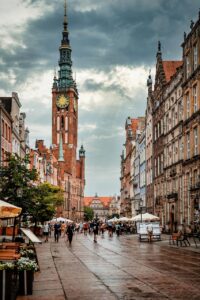
gdansk, architecture, city, monument, poland, urban, landscape, gdansk, poland, poland, poland, poland, poland

3. Strong Job Prospects for Graduates

After graduation, students can take advantage of Poland’s growing economy and increasing demand for skilled professionals. Some of the major industries hiring international graduates include:

Top Companies Hiring Expats in Poland:

  • IT & Technology: Google, IBM, Accenture, Capgemini, Nokia, and Samsung R&D
  • Finance & Banking: Citibank, HSBC, BNP Paribas, and Standard Chartered
  • Manufacturing & Engineering: ABB, Siemens, and Bosch
  • Logistics & E-commerce: Amazon, DHL, and Allegro
  • Pharmaceuticals & Healthcare: GSK, Bayer, and Roche

Many multinational companies operate in Poland and actively hire English-speaking professionals, making it easier for international students to find work.

4. English-Taught Programs

Many Polish universities offer a wide range of bachelor’s, master’s, and PhD programs in English, particularly in fields like:

  • Computer Science & IT
  • Business & Management
  • Engineering & Technology
  • Medicine & Pharmacy
  • International Relations

Studying in English allows Bangladeshi students to gain a European degree without needing to learn Polish, though learning the local language can further enhance job prospects.

5. Post-Graduation Work and Settlement Options

Poland offers a post-study work permit, allowing international students to stay in the country after graduation and look for jobs.

  • Graduates from Polish universities can apply for a temporary residence permit to extend their stay and find work.
  • After five years of legal residence, individuals can apply for permanent residency.
  • Poland is part of the Schengen Zone, meaning students can travel across Europe easily.

6. Safe and Welcoming Environment

Poland is known for its safety, rich cultural heritage, and friendly atmosphere. Cities like Warsaw, Kraków, and Wrocław have vibrant international student communities, ensuring an enjoyable and comfortable experience for newcomers.

Final Thoughts: Is Poland the Right Choice for You?

If you are a Bangladeshi student looking for high-quality education, affordable costs, strong career prospects, and a gateway to Europe, Poland is an excellent choice. With its top-ranked universities, booming job market, and opportunities for long-term settlement, studying in Poland can be a stepping stone to a bright future.

Exploring Croatia: A Hidden Gem for Bangladeshi Students Seeking Quality Education in Europe

Exploring Croatia: A Hidden Gem for Bangladeshi Students Seeking Quality Education in Europe

Croatia, with its stunning landscapes, rich culture, and high standard of living, has become an increasingly popular destination for international students seeking quality education in Europe. For Bangladeshi students, Croatia offers a combination of world-class universities, affordable tuition fees, and vibrant student life, all set within the beautiful backdrop of the Adriatic coast. But what really makes Croatia stand out as an educational hub? Let’s dive into the quality of education offered in Croatia and how it prepares students for entering the competitive job market.

Quality of Education in Croatia

1. High-Standard Universities with Global Recognition

Croatia boasts a number of high-ranking universities, many of which are recognized globally for their academic rigor. Some of the top institutions include the University of Zagreb, University of Split, and University of Rijeka. These universities are part of the European Higher Education Area (EHEA), which follows the Bologna Process to ensure academic standards are aligned with those across Europe. As a result, students can be confident that their degree from Croatia will be respected across the European Union and beyond.

The University of Zagreb, in particular, is the largest and most prestigious in the country. It offers a diverse range of undergraduate, graduate, and doctoral programs in fields like business, engineering, medicine, humanities, and social sciences. Many programs are taught in English, making them accessible to Bangladeshi students who may not be fluent in Croatian. This focus on internationalization ensures that students can receive an education comparable to what they would get in other Western European countries.

2. Diverse Range of Programs in English

Many Croatian universities offer a wide selection of programs taught in English, especially at the postgraduate level. These programs cover a variety of disciplines, including business administration, economics, engineering, computer science, international relations, and medicine. English-language programs are designed not only to cater to international students but also to attract top talent from around the world.

This is particularly advantageous for Bangladeshi students who may not have proficiency in Croatian but still want to immerse themselves in a high-quality European education. Studying in English makes the transition smoother, both academically and socially, as students are able to interact with peers and professors in a familiar language.

3. Research and Innovation Opportunities

Croatian universities are known for their emphasis on research and innovation, with many institutions encouraging students to engage in research activities from early stages of their academic journey. Programs in fields like engineering, technology, medicine, and natural sciences often include research projects and laboratory work, allowing students to develop practical skills and contribute to cutting-edge developments.

Croatia also has a growing focus on innovation and startups, particularly in fields like information technology and biotechnology. As a Bangladeshi student, being involved in research projects or internships during your studies can open doors to industry collaborations and a deeper understanding of your field. Universities like the University of Zagreb and University of Split also have partnerships with European and international research institutions, further strengthening their students’ academic and professional credentials.

4. Affordable Tuition Fees and Cost of Living

One of the major advantages of studying in Croatia for Bangladeshi students is the affordability. Tuition fees in Croatia are generally lower compared to other Western European countries. Undergraduate programs typically range from €1,500 to €6,000 per year, while master’s programs usually cost between €2,000 and €8,000 annually. This makes Croatia an attractive option for students seeking high-quality education without the financial burden often associated with studying in countries like the UK or Germany.

The cost of living in Croatia is also relatively affordable, with students spending an average of €600 to €900 per month, depending on the city and lifestyle. Accommodation, food, and transportation are reasonably priced, especially when compared to other European countries. For example, living in Zagreb or Split can be more affordable than studying in cities like Paris or London.


Practical Aspects of Education in Croatia: Preparing for the Job Market

1. Internship and Industry Collaboration

Croatia has a growing and diverse economy, with sectors such as tourism, technology, manufacturing, agriculture, and finance providing plenty of opportunities for students to gain practical experience. Croatian universities are highly committed to ensuring that their students are well-prepared for the job market. This is reflected in the strong ties between universities and industries, providing ample internship opportunities for students to apply their academic knowledge in real-world settings.

For instance, students in business, engineering, and technology fields can find internships in multinational companies operating in Croatia, as well as local startups. These internships are invaluable in building professional experience, expanding networks, and improving employability. The strong emphasis on practical learning ensures that Croatian graduates are competitive in the global job market.

2. Work Opportunities While Studying

As an international student in Croatia, you are allowed to work part-time while studying. Students can work up to 20 hours per week during the academic year, which allows for a practical way to gain work experience, improve language skills, and support living expenses. Many students take up jobs in retail, hospitality, or tutoring, while others work within their field of study, such as in internships or part-time roles at research institutions.

The Croatian job market is particularly strong in sectors such as technology, engineering, healthcare, and tourism, so students with the right skills and qualifications will find plenty of opportunities for part-time work or internships that complement their studies.

3. Strong Focus on Employability

Croatia’s universities understand the importance of ensuring their students can transition seamlessly from academia to the workforce. Many institutions have dedicated career services that assist students in finding internships, preparing CVs, and securing full-time employment after graduation. These career centers also organize job fairs, networking events, and workshops to connect students with potential employers.

In addition, Croatia has a growing number of international companies that offer competitive internships and job placements for recent graduates. Many multinational companies have their regional headquarters or branches in Croatia, making it a prime location for students to launch their careers.

4. Post-Graduation Work Opportunities

After completing their studies, international students in Croatia are allowed to stay for up to one year to search for a job in their field. Croatia has a relatively low unemployment rate compared to other European countries, especially in high-demand sectors like IT, engineering, and healthcare. This provides a significant advantage to international students, as it increases the chances of securing a job directly after graduation.

For Bangladeshi students who might want to stay in Europe after completing their studies, Croatia offers opportunities to explore work in other EU countries. As a member of the European Union, Croatia’s qualifications are recognized across Europe, making it easier for graduates to seek job opportunities within the EU.


Conclusion: Croatia as an Ideal Study Destination for Bangladeshi Students

Croatia offers Bangladeshi students an incredible combination of high-quality education, practical work experience, and a vibrant student culture. With affordable tuition fees, a wide range of English-taught programs, and strong industry ties, Croatian universities equip students with the skills and knowledge needed to thrive in the competitive global job market.

Whether you’re pursuing a career in technology, business, engineering, or the arts, Croatia provides ample opportunities for professional growth. Additionally, with a rich cultural heritage, beautiful cities, and a welcoming environment, Croatia offers a study experience that combines both academic excellence and personal enrichment.

For Bangladeshi students looking for an affordable yet high-quality education in Europe, Croatia truly is a hidden gem.

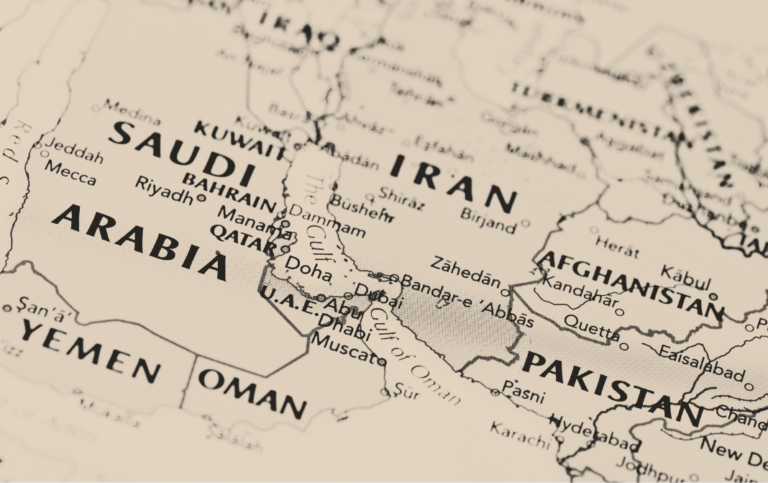
Life as a Bangladeshi Immigrant: Middle East vs. Europe

For Bangladeshi immigrants, the experience of living and working abroad varies greatly depending on the region. Two of the most popular destinations for Bangladeshi migrants are the Middle East and Europe, each offering unique opportunities and challenges. Let’s explore the key differences in lifestyle, work conditions, and social experiences for Bangladeshis in these regions.

1. Employment Opportunities and Sectors

In the Middle East, most Bangladeshi immigrants are employed in low-skilled or semi-skilled jobs, particularly in sectors like construction, domestic work, hospitality, and security. According to the Bureau of Manpower, Employment and Training (BMET), Saudi Arabia, the UAE, Qatar, and Oman collectively host millions of Bangladeshi workers, with construction being the largest employment sector. Wages tend to be relatively low, with many earning between $200–$400 per month depending on their roles.

In Europe, however, Bangladeshi immigrants often find jobs in a wider range of sectors. While many still work in hospitality, agriculture, and cleaning services—especially in countries like Italy, Greece, and Spain—there is also a growing presence in business, healthcare, and education, particularly in the UK. According to data from the Office for National Statistics (ONS) in the UK, the average monthly income for Bangladeshi workers is significantly higher than in the Middle East, often starting at around $1,500–$2,000 for entry-level positions.

2. Legal Rights and Protections

One of the starkest differences lies in labor rights.

In the Middle East, many countries operate under the Kafala system, a sponsorship-based employment structure that ties migrant workers to their employers. According to the Refugee and Migratory Movements Research Unit (RMMRU), this often limits workers’ freedom to change jobs, move freely, or protest unfair treatment, leaving them vulnerable to exploitation. Reports of wage theft, poor living conditions, and passport confiscation are common.

In Europe, labor laws generally offer more protections for workers, including the right to unionize, access to healthcare, and legal recourse in cases of workplace abuse. For example, in the UK, Bangladeshi immigrants have access to the National Minimum Wage, while in countries like Italy and Spain, workers’ rights are protected by EU labor laws. This results in better job security and living standards.

3. Social Integration and Community Life

The social experience of Bangladeshi immigrants also varies.

In the Middle East, while there are sizable Bangladeshi communities—especially in cities like Dubai, Riyadh, and Doha—social integration with the broader society can be limited. Due to language barriers and cultural differences, most migrants tend to live and socialize within their own communities. Events like Bengali New Year (Pohela Boishakh) are celebrated, but interactions with local populations remain minimal.

In Europe, Bangladeshi immigrants generally have more opportunities for integration. The UK, in particular, has long-standing Bangladeshi neighborhoods in cities like London (Tower Hamlets) and Birmingham, where cultural organizations, mosques, and Bangladeshi-run businesses thrive. European countries also offer more avenues for immigrants to learn local languages, participate in civic life, and become permanent residents or citizens.

4. Pathways to Citizenship and Residency

Gaining permanent residency or citizenship is another major point of contrast.

In the Middle East, most countries do not offer pathways to citizenship for migrant workers, regardless of how long they have lived there. Residency permits are often tied directly to employment contracts, meaning job loss can result in forced repatriation.

In Europe, many countries provide routes to permanent residency and citizenship. In the UK, for instance, Bangladeshi immigrants can apply for indefinite leave to remain after living and working there for five years. Countries like Italy and Spain also offer residency permits for migrant workers, and citizenship is attainable after meeting certain residency requirements.

5. Remittances and Economic Impact

Remittances sent back to Bangladesh play a crucial role in the country’s economy. According to Bangladesh Bank, in 2021, over 60% of Bangladesh’s total remittances came from the Middle East, underscoring the region’s importance to the national economy. While remittances from Europe are comparatively lower, they tend to be more stable and higher per person due to better wages and job security.

Conclusion

For Bangladeshi immigrants, living in the Middle East offers job opportunities and proximity to home, but often comes with fewer legal protections and limited social mobility. Europe, on the other hand, provides better labor rights, higher wages, and a clearer path to residency and citizenship—though integration and securing work permits can be challenging.

Ultimately, both regions play an important role in the Bangladeshi migration story, contributing not only to individual livelihoods but also to the broader economic landscape of Bangladesh.

Living Costs for Bangladeshi Students in Europe: How to Budget Smartly

0

Studying in Europe is an exciting opportunity, offering access to world-class education, diverse cultures, and numerous career prospects. However, one of the main concerns for Bangladeshi students planning to study abroad is managing living costs. Whether you’re studying in the bustling streets of London or the charming canals of Amsterdam, knowing how to budget effectively is key to making the most of your experience.

In this blog, we’ll dive into the typical living costs for Bangladeshi students across various European cities, providing useful tips and tricks on how to live smartly without compromising on your student life.

1. Accommodation Costs: Where to Stay and How Much to Expect

Accommodation is often the largest expense for students studying abroad. The costs of living in Europe can vary greatly depending on the country and city. Let’s look at the average accommodation costs in a few popular European cities.

Accommodation Costs in Major Cities:

  • London, UK: London is known for its high living costs, with students typically spending £800–£1,500 per month for a shared flat or student accommodation. For university halls or private student apartments, you can expect to pay around £1,000 to £1,200 per month.
  • Berlin, Germany: Berlin is one of the more affordable cities in Europe. Renting a shared flat or room in Berlin can cost between €400–€800 per month. University dorms are even cheaper, with prices ranging from €250 to €500 per month.
  • Paris, France: Paris, another expensive city, offers student housing at prices ranging from €600 to €1,200 per month for a shared apartment. University dorms can cost around €400 to €700.
  • Barcelona, Spain: Barcelona is more affordable than Paris and London, with shared student accommodations typically ranging from €400–€800 per month.

Tips for Saving on Accommodation:

  • Opt for Shared Housing: Sharing an apartment with other students is often cheaper than renting a studio or one-bedroom flat. Many international students choose to live in shared flats or university dormitories to save on costs.
  • Consider University Dorms: University housing is often more affordable and gives students a chance to meet others in a similar situation.
  • Look for Apartments in Suburbs: Housing in the city center tends to be more expensive. Opting for a place in the outskirts or suburban areas can save you a lot of money, while public transport can help you get to the city center easily.

2. Monthly Food Budget: Eating Well on a Budget

Food is another essential aspect of your budget. While eating out in Europe can be expensive, with a little planning, you can eat healthy meals without breaking the bank.

Food Costs in Popular Cities:

  • London: A meal in an inexpensive restaurant can cost around £12–£15, while a monthly grocery bill might range between £150–£250 for one person, depending on your eating habits.
  • Berlin: Food prices in Berlin are relatively affordable. A meal at an inexpensive restaurant costs around €10, while grocery bills for a single person typically range from €150 to €200 per month.
  • Paris: Dining out in Paris can be expensive, with an average meal costing around €15–€20. A grocery bill will cost about €200–€250 per month for a single person.
  • Barcelona: Eating out in Barcelona is quite affordable, with meals costing around €10–€15. Your monthly grocery bill will likely range between €150–€200.

Tips for Saving on Food:

  • Cook Your Own Meals: Preparing your own meals can save a lot of money. Fresh produce and basic ingredients are available at local supermarkets like Aldi, Lidl, and Carrefour, where you can buy groceries for €30–€50 a week.
  • Shop at Local Markets: Buying food at local farmers’ markets can often be cheaper than supermarkets, especially for fresh fruits, vegetables, and local delicacies.
  • Limit Dining Out: While trying local cuisine is part of the experience, eating out frequently can add up quickly. Save dining out for special occasions and try to cook at home for everyday meals.

3. Transportation Costs: Getting Around on a Budget

Public transport in Europe is efficient, but it can also add up, especially if you’re traveling frequently. Luckily, many cities offer student discounts on public transport, which can help reduce costs.

Transportation Costs in Key Cities:

  • London: A monthly student travel card for buses and trains can cost around £60–£100, depending on the zones you need to travel within. Single journeys on the Tube can cost between £2–£5.
  • Berlin: A monthly public transport pass in Berlin costs around €80–€100 for unlimited access to trains, buses, and trams. A single ride typically costs around €2.80.
  • Paris: Public transport in Paris is fairly affordable, with a monthly Navigo pass costing about €75. Single journeys cost around €1.90.
  • Barcelona: In Barcelona, a T10 ticket (10 trips) costs around €11.35, and a monthly transport pass can be purchased for €40–€50.

Tips for Saving on Transportation:

  • Get a Student Travel Card: Most European cities offer student discounts or special passes that give unlimited access to public transport. Make sure to apply for these passes to save on your commute.
  • Walk or Cycle: Many European cities are walkable or bike-friendly. Walking or renting a bike can be a great way to save money on daily transport while also staying fit.
  • Plan Longer Trips with Train or Bus Passes: If you plan on traveling to different cities, look into rail passes like the Eurail Pass or budget bus services like FlixBus, which offer affordable travel options between cities.

4. Entertainment and Leisure Costs: Making the Most of Your Free Time

Studying in Europe isn’t just about academics—it’s also about exploring new cultures and enjoying your free time. However, entertainment costs can quickly add up. Here’s what you can expect to pay for entertainment in major cities.

Entertainment Costs in Major Cities:

  • London: A movie ticket typically costs around £12–£15. However, many museums and galleries, such as the British Museum, offer free entry. You can also find free events like festivals, concerts, and art exhibitions.
  • Berlin: A cinema ticket in Berlin costs around €10, while many museums offer discounted student tickets. The city also has an active nightlife scene, with club entry fees ranging from €5 to €15.
  • Paris: Cinema tickets cost around €12, but many major museums, such as the Louvre, offer free admission on the first Sunday of the month.
  • Barcelona: Cinema tickets cost around €8–€10. Barcelona is known for its free concerts and cultural festivals, and there are many parks and beaches that you can visit for free.

Tips for Saving on Entertainment:

  • Take Advantage of Free Events: Many cities in Europe have free events throughout the year, such as festivals, concerts, and public holiday celebrations. Check local event listings to find free entertainment options.
  • Student Discounts: Many museums, cinemas, and galleries offer student discounts or free entry on specific days of the month. Always carry your student ID to access these discounts.
  • Use City Passes: Some cities offer tourist passes that grant access to multiple attractions at a discounted price. For example, the Paris Museum Pass gives you access to more than 50 museums and monuments for a set price.

5. Health Insurance and Miscellaneous Costs

Health insurance is mandatory for international students in Europe. While the costs vary by country, you can typically expect to pay between €30–€100 per month for student health insurance. Additionally, budgeting for personal expenses like mobile phone bills, toiletries, and other necessities is important.

Tips for Managing Miscellaneous Costs:

  • Compare Health Insurance Plans: Some countries, like Germany, have specific insurance providers for students. Make sure to compare different plans to find the most affordable option.
  • Use Wi-Fi: Avoid expensive mobile data charges by using free Wi-Fi available at universities, cafes, and public spaces.
  • Limit Impulse Purchases: European cities offer many shopping opportunities, but it’s important to resist unnecessary shopping sprees. Stick to your budget and focus on what’s essential.

Conclusion: Smart Budgeting for a Successful Student Life in Europe

Living costs in Europe can vary widely depending on the country, city, and lifestyle. By budgeting smartly, choosing affordable accommodation, cooking your own meals, and taking advantage of student discounts and free events, you can enjoy a fulfilling student life in Europe without overspending. Always remember to track your expenses, set limits, and plan ahead to ensure you stay within your budget while making the most of your European adventure. Happy travels and studying!

Living Standards of Bangladeshis in the UK Compared to Other South Asians

The Bangladeshi community in the United Kingdom is one of the most prominent South Asian diasporas, but their living standards, opportunities, and challenges differ from those of other South Asian groups, such as Indians and Pakistanis. Let’s break down these differences and explore where Bangladeshis are concentrated within the UK.

1. Economic Status and Employment

According to the Office for National Statistics (ONS), Bangladeshis in the UK tend to have lower incomes compared to their Indian and Pakistani counterparts. The median household income for Bangladeshi households is significantly lower, reflecting the community’s concentration in lower-paid sectors.

  • Bangladeshis: Often employed in hospitality, catering (especially in the restaurant industry), retail, and transport sectors. Many run small businesses, particularly in the restaurant industry — Bangladeshi-owned curry houses are a staple of British cuisine.
  • Indians: Tend to be more economically prosperous, with many working in professional fields like IT, medicine, engineering, and finance. The ONS reports that Indians have one of the highest median incomes among ethnic minorities.
  • Pakistanis: Occupy a middle ground, with representation in both lower-income sectors (like transport and retail) and higher-paying fields (such as business and medicine).

The disparity in income stems from educational differences, job opportunities, and historical migration patterns. Bangladeshis, many of whom migrated in the 1970s and 80s, often came from rural areas like Sylhet and entered low-skilled jobs, whereas Indian immigrants were more likely to have arrived with professional qualifications.

2. Education Levels

Educational attainment varies significantly:

  • According to data from the Department for Education, Bangladeshi students have made notable progress over the years, with many now excelling in secondary education. However, the community still faces higher dropout rates at the university level compared to Indians.
  • Indian students consistently outperform most ethnic groups academically, contributing to their higher representation in white-collar professions.
  • Pakistani students show a mixed pattern, with some success in higher education but also facing challenges similar to those of Bangladeshis.

3. Housing and Living Conditions

Bangladeshis often live in overcrowded housing conditions compared to other South Asians. According to the English Housing Survey:

  • 30% of Bangladeshi households are classified as overcrowded — the highest proportion of any ethnic group.
  • This is partly due to larger family sizes and economic constraints that limit access to more spacious housing.
  • In contrast, Indian families are more likely to own their homes and live in better housing conditions, reflecting their relatively stronger economic standing.

4. Health and Well-being

Health outcomes for Bangladeshis in the UK also lag behind those of other South Asian groups. Public Health England reports that:

  • Bangladeshis have higher rates of cardiovascular disease and diabetes, often linked to poverty, poor diet, and lack of access to quality healthcare.
  • Indians, with their better financial standing, generally experience better health outcomes.
  • Pakistanis also face health disparities but tend to have slightly better access to healthcare than Bangladeshis due to their economic situation.

5. Geographical Concentration

Bangladeshis are heavily concentrated in specific areas, with some neighborhoods having strong community ties:

  • Tower Hamlets, London: The heart of the Bangladeshi community in the UK. Over 38% of the population in Tower Hamlets is of Bangladeshi descent, with Brick Lane being a cultural hub for Bangladeshi businesses and heritage.
  • Birmingham: Another significant community, especially in areas like Small Heath and Aston.
  • Oldham and Luton: Also host sizable Bangladeshi populations, with strong community networks.
  • Manchester and Leeds: Emerging Bangladeshi communities, contributing to the broader South Asian presence in northern England.

In comparison, Indians are more widely spread across the UK, with large populations in Leicester, London, and Birmingham, often in more suburban or affluent areas. Pakistanis are concentrated in cities like Bradford, Birmingham, and Manchester.

Conclusion

While all South Asian communities in the UK share some commonalities, Bangladeshis face distinct challenges tied to lower incomes, overcrowded housing, and health disparities. However, the community is making significant strides in education and small business ownership, especially within the restaurant sector. Understanding these differences is crucial for shaping inclusive policies and ensuring that all South Asian groups in the UK have opportunities to thrive.

Maximizing Your Study Abroad Experience: A Bangladeshi Student’s Guide to Thriving in Europe

0

Studying in Europe can be a life-changing experience for Bangladeshi students, offering the opportunity to receive high-quality education, immerse yourself in a new culture, and make lasting memories. But how can you make the most of your time while living abroad? The following guide provides valuable tips to help you not only excel academically but also enjoy your time in Europe to the fullest.

1. Embrace Cultural Experiences and Learn the Local Language

Europe is home to a diverse array of cultures, and each country has its own traditions, languages, and customs. As a Bangladeshi student, immersing yourself in these new cultures will enrich your experience and allow you to make the most of your time abroad.

Learn the Language
While many European universities offer courses in English, knowing the local language can greatly enhance your day-to-day interactions, making it easier to navigate daily life and connect with locals. For example, according to Eurostat, 65% of people in the European Union speak more than one language, with Sweden, the Netherlands, and Denmark having a high percentage of English proficiency, but Germany, Spain, and Italy still benefit from students learning the local language for everyday conversations.

Get Involved in Local Traditions
Participate in local events, festivals, and cultural activities. Whether it’s celebrating the Oktoberfest in Munich, experiencing Carnival in Venice, or joining the Fête de la Musique in Paris, Europe offers plenty of opportunities to explore new cultures. Many universities organize cultural exchange events that are specifically designed to help international students immerse themselves in local traditions.

Tip:
If you’re studying in a non-English-speaking country, enroll in language courses at the university or use free resources like Duolingo to get a head start.

2. Build a Strong Network with Fellow Students and Locals

Networking is an essential part of making the most of your time abroad. It can help you develop meaningful relationships, both personally and professionally. As a Bangladeshi student, building connections will also help you adjust to life in Europe.

Join Student Clubs and Organizations
Universities in Europe offer a wide range of student clubs, from academic societies to recreational and cultural clubs. Getting involved will not only help you make friends but also give you a chance to expand your skill set. According to the European University Association, over 50% of students at European universities engage in extracurricular activities, which are often linked to their academic interests or future career aspirations.

Engage with Local Communities
Apart from student clubs, consider joining local community groups or events organized for international students. Many universities have support groups that assist students with everything from navigating the healthcare system to finding accommodation. Engaging with the community will help you integrate better and make your experience more fulfilling.

Tip:
Don’t hesitate to connect with alumni networks. Many European universities offer alumni services that help students stay in touch with graduates, providing valuable career connections.

3. Make the Most of Travel Opportunities

Europe is known for its well-connected transport system, making it easy for students to explore the continent during breaks. Traveling around Europe is a fantastic way to broaden your horizons, experience new cultures, and create unforgettable memories.

Take Advantage of Student Travel Discounts
As a student, you’ll have access to various discounts for transport, accommodation, and attractions. The Interrail Pass is a popular option, allowing students to travel by train to multiple European countries for a flat fee. According to Statista, there were over 30 million Interrail users in 2023. Many cities also offer discounts for museum entrances and public transport passes.

Weekend Getaways
Weekends are the perfect opportunity to explore nearby cities. For example, if you’re studying in Paris, you could easily visit Brussels, London, or Amsterdam. On average, students living in major European cities spend about €100–€200 on a weekend trip, including travel and accommodation.

Tip:
Plan your trips ahead of time to take advantage of student discounts and avoid last-minute price hikes, especially during peak tourist seasons.

4. Focus on Academic Excellence

While having fun and exploring is important, remember that studying abroad is primarily about furthering your education. It’s essential to stay focused on your studies and make the most of the resources available at your European university.

Utilize Academic Resources
European universities are known for their high academic standards, and many provide students with various resources to enhance their learning. Make use of university libraries, tutoring services, and online databases to deepen your understanding of your courses. According to a survey by Times Higher Education, more than 80% of international students find that European universities offer extensive research opportunities and well-equipped academic resources.

Participate in Research Projects
Engage in research projects or internships related to your field of study. Many European universities offer paid or volunteer internships, helping you gain hands-on experience. Germany and Sweden have strong industrial ties, particularly in fields like engineering and business, offering students opportunities to work with top companies.

Tip:
Don’t hesitate to reach out to professors or mentors for guidance. In Europe, faculty members are often approachable and willing to assist students in their academic journeys.

5. Manage Your Finances Smartly

Living in Europe can be expensive, especially in cities like London, Paris, or Zurich. To make the most of your time as a student, it’s crucial to manage your finances effectively.

Create a Budget
Set up a budget that accounts for tuition fees, rent, food, transportation, and other personal expenses. On average, Bangladeshi students in Europe spend about €800–€1,500 per month depending on their location and lifestyle. Make sure you track your expenses to avoid running out of funds before the end of the semester.

Find Part-Time Jobs
Many European countries, like Germany and the Netherlands, allow international students to work part-time while studying. Working part-time not only provides financial support but also offers a chance to gain work experience. According to Eurostat, about 30% of international students in Europe hold part-time jobs, especially in countries like Germany, the UK, and France.

Tip:
Look for job opportunities on your university’s career portal or check with local businesses, especially if you’re studying in a city with a high demand for part-time workers like Berlin or Barcelona.

6. Prioritize Your Mental and Physical Health

Living away from home can sometimes lead to feelings of homesickness or stress. It’s important to prioritize your mental and physical well-being while studying abroad.

Take Care of Your Health
Most European universities provide access to health services for students, including counseling, mental health support, and general medical care. France and Germany offer comprehensive health insurance schemes for students, ensuring that you have access to essential healthcare during your stay.

Stay Active and Socialize
Physical activity plays a huge role in maintaining your well-being. Take advantage of university gym facilities, sports teams, or outdoor activities to stay fit. Participating in group activities or making friends through social clubs can also help improve your mental health and combat homesickness.

Tip:
Reach out to your university’s counseling center if you ever feel overwhelmed. They are there to support your well-being and help you adjust to your new environment.

Conclusion

Studying in Europe as a Bangladeshi student offers countless opportunities for personal growth, academic achievement, and cultural enrichment. By embracing the local culture, building a strong network, traveling, focusing on your studies, managing finances, and taking care of your well-being, you can make the most of your time abroad. These experiences will not only help you grow as a student but will also leave you with memories and connections that will last a lifetime.

Stay proactive, stay engaged, and make the most of every opportunity during your time in Europe!

Successful Bangladeshis in Europe and Their Locations

The Bangladeshi diaspora has established itself in various European countries, with notable communities thriving in the United Kingdom, Italy, Spain, France, and Germany. Let’s explore the success stories and their geographical distribution.

1. United Kingdom

The UK has the largest Bangladeshi community in Europe, particularly concentrated in London’s Tower Hamlets, Newham, and Camden. Several prominent Bangladeshis have made their mark in politics, business, and public service.

  • Rushanara Ali: Elected as the Member of Parliament (MP) for Bethnal Green and Bow in 2010, becoming one of the first British MPs of Bangladeshi descent. (Source: UK Parliament records)
  • Tulip Siddiq: Serving as the MP for Hampstead and Kilburn since 2015, she has been an influential voice on immigration, social justice, and education. (Source: UK Parliament records)
  • Lutfur Rahman: The first directly elected mayor of Tower Hamlets in 2010, contributing to local governance and advocating for the Bangladeshi community. (Source: Electoral Commission UK)

The British Bangladeshi community also excels in business, particularly in the restaurant industry. Over 80% of the UK’s curry houses are owned by Bangladeshis, many of whom hail from Sylhet. (Source: British Curry Awards)

2. Italy

Italy has the second-largest Bangladeshi population in Europe, with around 150,692 Bangladeshis living there as of 2022. The largest communities are found in Rome, Milan, Venice, and Naples.

  • Many Bangladeshis have built successful small businesses, especially in retail, clothing, and the restaurant sector.
  • The community in Rome’s Torpignattara district has grown significantly, shaping the area’s culture with Bangladeshi shops, mosques, and community centers. (Source: Italian National Institute of Statistics, ISTAT)

3. Spain

Spain’s Bangladeshi community, though smaller, is concentrated in Barcelona and Madrid.

  • Many work in hospitality, trade, and retail, with a growing number of entrepreneurs opening grocery stores and restaurants.
  • According to the Spanish National Institute of Statistics (INE), there were over 20,000 Bangladeshis residing in Spain in 2022.

4. France

In Paris and Marseille, Bangladeshis have made strides in small businesses and community organizations.

  • The Gare du Nord district in Paris has a visible Bangladeshi presence, with shops, restaurants, and cultural events connecting the community.
  • The National Institute of Statistics and Economic Studies (INSEE) reports approximately 15,000 Bangladeshis living in France.

5. Germany

Germany’s Bangladeshi population, around 12,000 strong according to Statistisches Bundesamt (Federal Statistical Office of Germany), is mainly located in Berlin, Hamburg, and Frankfurt.

  • Many Bangladeshis in Germany work in tech, academia, and skilled labor sectors, with a rising number of students pursuing higher education in German universities.

Conclusion

The Bangladeshi diaspora across Europe shows a dynamic blend of political engagement, entrepreneurial spirit, and cultural preservation. While the UK remains the epicenter of Bangladeshi success stories, communities in Italy, Spain, France, and Germany continue to grow, fostering businesses and contributing to their host countries’ economies.

The Bangladeshi Diaspora in the Middle East: A Regional Overview

The Middle East is home to one of the largest Bangladeshi diasporas in the world, with millions of expatriates living and working across the region. These individuals not only contribute significantly to their host countries’ economies but also send vital remittances back to Bangladesh, supporting countless families and fueling the nation’s economic development. Let’s explore the distribution of Bangladeshi expatriates across key Middle Eastern countries and their roles in local economies.

1. Saudi Arabia

Saudi Arabia hosts the largest population of Bangladeshi expatriates in the Middle East. According to data from the Bureau of Manpower, Employment and Training (BMET) of Bangladesh, there were approximately 1.3 million Bangladeshis residing in Saudi Arabia as of 2020. Most work in sectors such as construction, domestic services, and hospitality, contributing significantly to the kingdom’s workforce.

2. United Arab Emirates (UAE)

The UAE is another major destination for Bangladeshi migrants. The BMET reported that around 1 million Bangladeshis live in the UAE, particularly in cities like Dubai, Abu Dhabi, and Sharjah. They are engaged in construction, retail, and transportation industries, playing a crucial role in the country’s rapid infrastructural growth.

3. Qatar

With Qatar’s booming construction sector, driven by preparations for global events like the FIFA World Cup, the demand for migrant labor has surged. The Ministry of Expatriates’ Welfare and Overseas Employment in Bangladesh recorded approximately 400,000 Bangladeshi workers in Qatar as of 2019. Most are employed in building infrastructure, hospitality, and maintenance services.

4. Kuwait

Kuwait is home to about 350,000 Bangladeshi expatriates. The Bangladesh Embassy in Kuwait highlights that many Bangladeshis work in domestic services, construction, and security sectors. Their contributions are vital to the country’s labor market, particularly for semi-skilled and unskilled roles.

5. Oman

According to data from the Ministry of Expatriates’ Welfare and Overseas Employment, Oman hosts around 680,000 Bangladeshis. Many work in industries like construction, manufacturing, and agriculture. The community has grown steadily, becoming one of the largest expatriate groups in the country.

6. Bahrain

Bahrain has an estimated 180,000 Bangladeshi residents. The community works predominantly in construction, retail, and domestic services. Official records from the Bangladesh Embassy in Bahrain reflect their active role in the country’s labor force.

7. Libya

Though not part of the Gulf, Libya also has a notable Bangladeshi presence, with over 21,000 migrants recorded as of 2022. Some use Libya as a transit point to Europe, while others work in agriculture and construction.

Economic Contributions and Challenges

The Bangladeshi diaspora in the Middle East plays a crucial role in Bangladesh’s economy, sending billions of dollars in remittances annually. According to Bangladesh Bank, remittances from the Middle East accounted for more than 60% of the total remittance inflow in 2021.

However, despite their economic contributions, Bangladeshi workers often face significant challenges. Reports from the Refugee and Migratory Movements Research Unit (RMMRU) have highlighted issues such as wage theft, poor working conditions, and a lack of legal protections in some countries. Ensuring the safety and well-being of these workers remains a key priority for the Bangladeshi government.

Conclusion

The Bangladeshi presence in the Middle East reflects a story of hard work, resilience, and economic interdependence. These communities not only strengthen the labor markets of their host nations but also uplift Bangladesh’s economy through remittances. As both Bangladesh and the Middle Eastern countries continue to navigate migration policies, fostering a safer and more supportive environment for these workers will be essential for mutual growth.

Exploring European Travel on a Student Budget: A Guide for Bangladeshi Students

0

Europe is a dream destination for many international students, including those from Bangladesh. From the rich history of cities like Rome and Paris to the scenic beauty of the Swiss Alps and the vibrant culture of Barcelona, Europe offers a wealth of experiences that can make your student life unforgettable. However, traveling in Europe can often seem expensive. The good news is, with some planning and smart strategies, you can explore Europe on a student budget. This guide will walk you through some practical tips and provide cost-saving strategies to help you travel across Europe affordably.

1. Plan and Book in Advance for Cheaper Flights

One of the most significant expenses when traveling to Europe is the cost of flights. For Bangladeshi students, a round-trip flight to Europe can range between BDT 50,000 to BDT 100,000, depending on the time of booking and the airline. However, with careful planning, you can significantly reduce your travel costs.

Tips for Budget Flights:

  • Book Early: Airlines like Ryanair, EasyJet, and Wizz Air are known for offering low-cost flights within Europe. Booking flights at least 2-3 months in advance can help you find discounts.
  • Use Flight Comparison Websites: Platforms like Skyscanner and Google Flights allow you to compare flight prices and find the cheapest deals.
  • Fly on Off-Peak Days: Flights on weekdays (especially Tuesdays and Wednesdays) are often cheaper compared to weekends. Flying during the off-peak season (usually in spring or fall) also helps in saving money.

Example:
A one-way flight from London to Barcelona can cost as little as €20 when booked in advance with low-cost airlines.

2. Use Budget Accommodation Options

Accommodation can often take up a large portion of your travel budget. However, Europe offers a variety of budget-friendly accommodation options that can help you keep costs low.

Budget Accommodation Options:

  • Hostels: Hostels are the go-to option for many students. Not only are they affordable (typically ranging from €15 to €30 per night), but they also offer the chance to meet other students and travelers.
  • Airbnb: For a more private experience, Airbnb is another affordable option. Renting a shared apartment or room can cost between €30 to €70 per night, depending on the city.
  • Couchsurfing: This is a great free accommodation option, where you can stay with locals who offer their couches or spare rooms for free. It’s an excellent way to save money and meet people from different cultures.
  • University Dormitories: Many universities offer student dormitories or exchange programs that can be cheaper than private rentals, especially during summer breaks.

Example:
In cities like Berlin or Prague, a budget hostel can cost around €15 per night. This is significantly cheaper than a hotel, where the prices often start at €50 or higher.

3. Take Advantage of Student Discounts

Europe is known for its excellent student discount programs, and as a Bangladeshi student, you can benefit from various deals and offers that can make your travel cheaper.

Student Discounts to Look Out For:

  • Eurail Pass: The Eurail Global Pass offers unlimited train travel across Europe. Prices for a 1-month pass for students start from around €200. This can be a cost-effective way to travel if you plan on visiting multiple countries.
  • ISIC Card: The International Student Identity Card (ISIC) gives students discounts on transport, museums, accommodation, and even restaurants. The ISIC card costs around €15 but can save you up to 50% on various services.
  • Local Travel Cards: Many European cities, including Paris, London, and Berlin, offer student travel cards that allow unlimited use of public transport for a discounted price. A monthly transport pass in cities like Barcelona or Lisbon can cost around €40–€50 for students.

Example:
With a Eurail Pass, you can travel from Amsterdam to Paris for as little as €50, compared to buying individual train tickets, which could cost upwards of €100.

4. Eat Like a Local

Food can quickly add up while traveling, especially in cities where dining out can be expensive. However, with a few simple strategies, you can save a lot of money without sacrificing your experience of European cuisine.

Budget Food Tips:

  • Eat Street Food: Many European cities, such as Berlin, Budapest, and Barcelona, offer delicious street food options like doner kebabs, falafel, and crepes for as little as €3–€5.
  • Cook Your Own Meals: Staying in hostels or Airbnbs with kitchen facilities can allow you to cook your own meals, which will save you a significant amount. Shopping at local markets like Mercato Centrale in Florence or Borough Market in London can help you find affordable, fresh ingredients.
  • Supermarkets and Takeaway: Many European supermarkets, such as Aldi and Lidl, offer great deals on ready-to-eat meals, sandwiches, and snacks that can cost around €3–€5.

Example:
In Berlin, you can enjoy a hearty meal at a local kebab shop for just €3, or buy groceries to cook for the week for around €15.

5. Explore by Bus or Train

Traveling by bus or train is one of the most economical ways to move between cities in Europe. While flying might seem convenient, buses and trains often offer much cheaper alternatives.

Cheap Bus and Train Travel:

  • Buses: Bus services such as FlixBus and Eurolines offer routes across Europe at incredibly low prices. For example, a bus ticket from Berlin to Prague can cost as little as €10 if booked early.
  • Trains: Trains in countries like Germany, France, and Italy offer discounted fares for students. Intercity trains can be significantly cheaper if you book tickets in advance through services like Deutsche Bahn (DB) or SNCF.

Example:
A bus from Budapest to Vienna can cost as little as €7 if you book in advance, whereas the same trip by train might cost around €25.

6. Free and Cheap Attractions

One of the best things about traveling in Europe is that many cities offer free or very affordable attractions that are perfect for students on a budget.

Examples of Free Attractions:

  • Museums and Galleries: Many European cities offer free entry to museums or free days during the week. For instance, London’s National Gallery and the Tate Modern are both free, and Berlin’s Museum Island offers reduced fees on specific days.
  • Parks and Gardens: Most European cities have beautiful parks and green spaces, like Hyde Park in London or Parc des Buttes-Chaumont in Paris, which are free to visit.
  • Walking Tours: Many cities, including Barcelona, Berlin, and Prague, offer free walking tours where you can pay what you feel is appropriate at the end of the tour.

Example:
In London, you can visit iconic landmarks such as the British Museum and the Tate Modern without spending a penny. Similarly, the Prague Castle offers stunning views and free entry to its grounds.

7. Travel in the Off-Peak Season

If you want to save money on accommodation and flights, consider traveling during the off-peak seasons (typically in March-April or October-November). During these months, travel costs are lower, and popular tourist attractions are less crowded, giving you a chance to enjoy Europe at its best without breaking your budget.

Conclusion

Traveling across Europe on a student budget is not only possible but also highly rewarding if you follow these practical tips. By booking flights early, choosing budget accommodations, taking advantage of student discounts, eating locally, and exploring by train or bus, you can experience Europe without overspending. Whether you’re exploring the canals of Amsterdam or the streets of Paris, Europe is waiting for you to explore—affordably.

With the right planning and resourcefulness, your European adventure will be one to remember without the financial strain.

How to Find Part-Time Jobs in Europe as a Bangladeshi Student

0

As a Bangladeshi student studying in Europe, finding a part-time job can be an excellent way to support your living expenses, gain work experience, and integrate into the local community. Fortunately, many European countries allow international students to work part-time while pursuing their studies. In this blog post, we’ll explore the best ways to find part-time jobs in Europe, what you need to know about regulations, and how to ensure you balance work with your studies.

1. Understand the Regulations on Working as a Student in Europe

Before you start your job hunt, it’s crucial to understand the working regulations for international students in the country where you’re studying. Each European country has different rules about how many hours you can work and whether you need a work permit.

Key Regulations to Consider:

  • Germany: International students can work 120 full days or 240 half-days per year. Germany has a high demand for part-time workers, especially in fields like retail, hospitality, and administrative roles.
  • United Kingdom: Students can work up to 20 hours per week during term time and full-time during holidays if they have a valid Tier 4 visa.
  • Netherlands: Non-EU students can work up to 16 hours per week during the semester and full-time during summer break.
  • France: Students are allowed to work up to 964 hours per year, which equals about 19 hours per week during the academic year.

Knowing the number of hours you can work and the visa restrictions is essential to avoid violating any regulations.

2. Start by Checking University Job Portals and Career Services

Most universities in Europe offer job portals that advertise part-time employment opportunities exclusively for students. These job boards list internships, part-time roles, and freelance opportunities available in the local area or within the university itself. The benefits of using your university’s resources include knowing that these jobs are tailored for students, and they typically accommodate your class schedule.

Examples of University Job Resources:

  • Student Job Portals: Many universities collaborate with local companies to post job openings on official student job portals. These sites are often the first place where local businesses and even university departments advertise available positions.
  • Career Centers: University career centers can help you prepare your CV, apply for jobs, and connect with potential employers. They also host job fairs and networking events, which are excellent opportunities for finding part-time work.

Tip:
Attend career fairs and networking events organized by your university. These events allow you to meet potential employers and learn about job openings directly from hiring managers.

3. Explore Online Job Platforms and Websites

In addition to university resources, there are several online platforms and websites dedicated to helping students find part-time work. These platforms offer a variety of roles ranging from student jobs, internships, and freelance gigs.

Popular Online Job Websites in Europe:

  • Indeed: One of the most popular global job search engines, Indeed allows students to search for part-time jobs, internships, and entry-level positions in various industries.
  • LinkedIn: Not only is LinkedIn great for professional networking, but it also lists job openings in Europe. Many companies post part-time roles, internships, and student-friendly jobs directly on LinkedIn.
  • EURES: The European Employment Services (EURES) portal is a helpful resource for finding part-time jobs across Europe. It lists jobs for students, internships, and short-term roles that can fit around academic schedules.
  • StudentJob: A job portal specifically tailored for students, StudentJob is available in multiple European countries and lists a wide range of part-time and student-friendly opportunities.

According to Eurostat, approximately 30% of international students in Europe take on part-time work, with Germany and the Netherlands being the most popular countries for student jobs.

4. Check Local Job Listings and Classifieds

In many European cities, you can also find part-time job opportunities by browsing local job listings and classifieds. Websites like Craigslist and Gumtree (in the UK) or Leboncoin (in France) often have job listings for part-time roles in various industries, including hospitality, retail, and administration. These platforms often feature positions that may not be advertised through larger job boards, giving you access to hidden opportunities.

Tip:
Local language skills can be an advantage here. Many smaller companies and startups post jobs on these platforms that may require a knowledge of the local language, so learning basic language skills can help broaden your job search.

5. Consider Jobs in Retail, Hospitality, and Service Industries

One of the most common part-time job opportunities for students in Europe is in the retail, hospitality, and service sectors. These industries are known for offering flexible hours, which is perfect for students who need to work around their academic schedule. From working in cafés and restaurants to retail stores, these jobs can help you practice your language skills and meet new people.

Examples of Common Part-Time Jobs:

  • Waiter/Waitress: Especially in cities with a high number of tourists, such as Barcelona, Paris, and Rome, working as a waiter or waitress can be a great part-time job.
  • Retail Assistant: Jobs in stores and shopping centers are readily available. European retail jobs tend to be flexible, making it easier to balance work and study.
  • Hotel Receptionist/Housekeeping: If you are in a tourist-heavy region, hotel jobs are another popular option. These jobs often offer shifts in the evenings or on weekends, leaving your weekdays free for classes.

The service and retail sectors are known for offering hourly pay that varies by country and role. In Germany, for instance, part-time employees in retail typically earn around €9–€12 per hour, whereas in France and the United Kingdom, the average rate is about €8–€10.

6. Utilize Networking and Word-of-Mouth

Networking remains one of the most effective ways to find part-time work. Many jobs are filled through word-of-mouth, especially in smaller communities or more informal sectors. Speak with fellow students, professors, and local residents about available positions. Don’t underestimate the power of a casual conversation when you’re out socializing—sometimes, job leads come from unexpected places.

Tip:
If you’re involved in clubs, societies, or sports teams at your university, you’ll likely meet other students and locals who might have job leads or even know of businesses that are hiring.

7. Be Prepared for Interviews and Cultural Differences

Once you start applying for jobs, it’s important to be prepared for interviews. European employers tend to value professional, clear communication. While the interview process can vary by country, generally speaking, you should be ready to:

  • Speak about your education and how it relates to the job.
  • Show enthusiasm and interest in the role and company.
  • Demonstrate adaptability, especially since you’re an international student.

Additionally, be aware of cultural differences in the workplace. For example, in Germany, punctuality is highly valued, while in Spain, workplaces may have a more relaxed attitude toward time. Knowing these small cultural differences can make a big impact on your chances of success.

8. Manage Your Time Effectively

Balancing part-time work and your studies can be challenging. Be sure to manage your time effectively to avoid burnout. Set aside specific hours for studying, working, and socializing, and ensure that your job does not interfere with your academic performance. Many European universities offer time-management workshops or counseling services to help students strike the right balance.

Tip:
Use a planner or time-management app to keep track of your work hours and study deadlines, ensuring that you maintain both academic excellence and a successful work-life balance.

Conclusion

Finding a part-time job as a Bangladeshi student in Europe is not only a great way to support your finances but also a fantastic opportunity to gain work experience, improve your language skills, and build lasting relationships. By using university job portals, online platforms, and networking, and by understanding the work regulations in your host country, you’ll be well-equipped to find a rewarding part-time position. Be proactive, stay organized, and embrace the opportunities that come your way. Your time in Europe can be both academically and professionally enriching!